
When Bridgette Beard first picked up a horse’s reins, she wasn’t looking for peace: she was trying to survive addiction. Equine therapy was the last thing on her mind.
Beard, the director of nursing and a psychiatrist nurse practitioner at JourneyPure at The River, used equine therapy in Tennessee to overcome a debilitating addiction. An addiction that ripped her away from her children, family and friends.
She said going to rehab was the hardest thing she ever did. She left her children with her mother and accepted the fact that she needed help. Though Beard’s equine therapy was done at another Tennessee facility, she saw firsthand how impactful it could be.
“In the beginning, when the horse wouldn’t come to me, I was anxious, overwhelmed. I wasn’t (emotionally) regulated at all,” she said.
Two weeks in, a horse still wouldn’t come up to her. That rejection made her want to work on herself. By week five, she was riding the horse. The experience was life-changing.
How Equine Therapy Helps Addiction Recovery
Being able to handle that 2,000 pound horse gave Beard something she never thought existed: control over her emotions.
Jon Levi is the equine facilitator at JourneyPure at The River, a Murfreesboro, Tennessee-based addiction treatment facility that is using animals to cut through emotional distance.
Staying grounded and calm in therapy, despite discomfort and uncertainty, allows clients to stay engaged and allow themselves space to heal.
According to Jon, there is no better animal to (help) find that calm than a horse.
Jon continued, “horses pick-up your energy from eight feet away.”
On the other hand, unregulated emotions can mean a standoffish horse the moment you approach.
Standing next to the large equine forced Bridgette to channel her emotions. The exercise was about regulating her emotions around the gargantuan equine.
A former Rutherford County Sheriff’s Office Sergeant, the equine facilitator said if you can handle a 2,000-pound horse, you can stay sober.
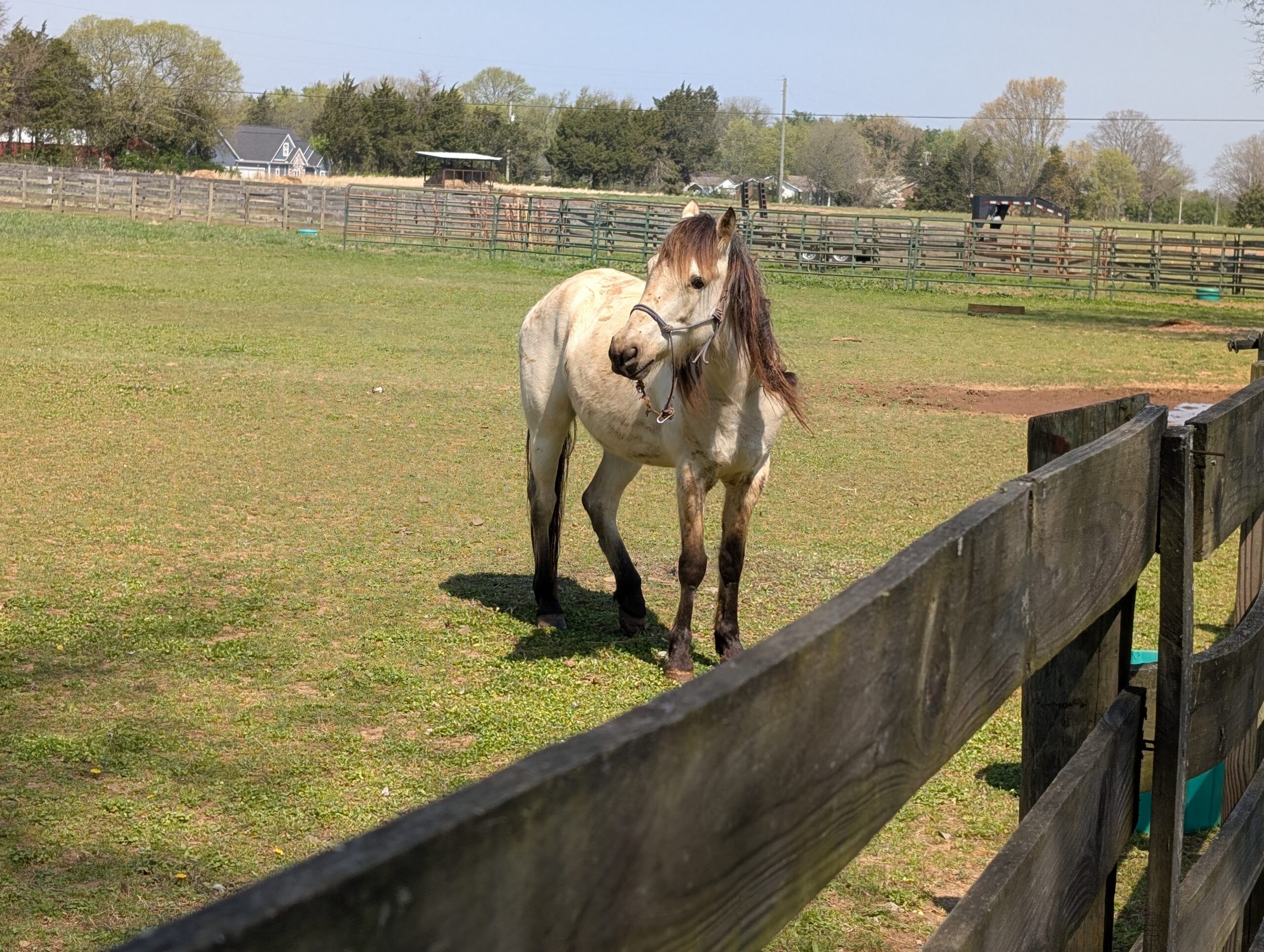
But JourneyPure at The River takes equine therapy to another level by adding wild mustangs and other farm animals like goats, baby goats, chickens and even a pig named Pootie.
The center has 12 horses, seven goats and a pig that eats leftover scraps from the cafeteria.
For Bridgette, equine therapy became a tool she could use in everyday life. If she could control her emotion in front of the large equine, she could use that focus to avoid triggers, or succumbing to the stresses that would have caused an emotional outburst in her past that led to using drugs again as a coping mechanism.
“They learn so much about recovery in the classes, and then going up to equine therapy and putting that in motion … It is real life,” the director of nursing said. “Being up there with the horses is very calming. I understand the experience they’re going through. We’re not talking about medication, we’re not talking about therapy sessions. We’re talking about real life, and it’s life changing.”
Mustang Therapy in Middle Tennessee Explained
Jon began introducing mustangs into the equine therapy program at JourneyPure at The River. He said the wildness of the mustang mirrors an addict.
“A mustang from the wild doesn’t trust anything, so his first reaction is to run. Every active-addiction person, their first reaction in life is to run,” he said.
As a former sheriff’s office employee, Levi has seen the toll addiction takes on the community.
Jon said it’s all about training.
“They actually learn the best, purest definition of the word mindfulness when they pet a mustang,” he added. “Just being in the moment, being where your feet are.”
Addiction can be a difficult cycle to break. Jon believes addiction is 97% mental. If someone were looking at the facts, danger and repercussions of taking drugs, they would never relapse.
But that dependency, both physical and emotional, causes people to make bad decisions.
But horses aren’t the only animals shaping recovery here.
Baby Goat Bottle Feeding in Murfreesboro
While the goats may not have certified status in the therapy community, at JourneyPure at The River, they can mean the world to staff and patients.
Even the most hardened people can’t deny a chance to bottle feed and hold babies Bonnie and Clyde. Or walk the grounds at the center’s barn and interact with the old guard of goats like Bruce.
It’s not just fun and games, though, Levi said. The patients go through a seven week process of equine therapy. During that time they get to know the animals on a deeper level. They worked with them, walk them around the grounds and help care for them. It becomes a job that means more than a job. They are finding purpose.
The equine manager said he got the goats from a local friend and things just grew from there.
Patients can hold the goats, feed them and they are very little maintenance. While some may wonder, why not dogs, though Jon said not everyone is a dog lover, and some dogs just don’t have the temperament needed to help patients.
Another benefit of goats is they don’t have teeth and nibble away at the grass along the grounds at the facility. Aside from free lawn mowing along the barn, goats don’t smell like traditional farm animals and they are very welcoming to patients of any demeanor.
Does Animal Therapy Improve Rehab Outcomes?
For many patients at JourneyPure at The River, reaching sobriety is all about hearing the clanking of a bell attached to a 10-foot tall wooden post.
Horses are beautiful to look at and could be a fun novelty at most equine therapy centers, but if they don’t work, it’s all just a fun novelty.
That’s not the case at JourneyPure at The River. Equine therapy is working. The data supports it.
The National Library of Medicine says only one in five who request treatment complete the minimum of 30 days at a facility.
Jamie said every treatment center has a percentage of patients who leave against treatment recommendations.
But after the team added the baby goats, Bercich said, the dynamic shifted.
“Our ATA rate basically became non-existent when we added this experience,” she said.
Bercich said animals have a way of resetting a person’s dopamine levels, something extremely important in addictions, because drugs and alcohol destroy dopamine in your brain.
“You have to find natural ways to increase that dopamine and the happiness and the goats do that,” the executive director said. “You can see that instant dopamine rush. If I’m having a bad day, I’ll grab one of the goats … my bad mood just instantly melts away.”
Jamie said that dopamine rush could be the deciding factor if a patient stays or leaves the facility. She said the first 72 hours are critical to determining if a patient will decide to stay or go.
The majority of the staff at JourneyPure are recovering addicts. Beard included. That experience aids them in providing the best care possible to addicts who have hit rock bottom and need something in their lives to turn them to a path of sobriety.
Equine therapy helped Bridgette, like many others in recovery. She is five years sober and was able to achieve that with a busy lifestyle as a medical provider and mom.
The director of nursing comes to work at JourneyPure at The River every day with a purpose: to help everyone she can find sobriety.
“When I pull into this long driveway and I see the horses and I see the deer … I love where I’m at because I am in the present,” Bridgette said.
And when she’s having a bad day, or feels like she is spiraling out of control, a stroke of a horse’s mane, or holding a baby goat melts her problems away.
Why Ringing a Bell Brings Closure to Equine Therapy in Middle Tennessee
When a patient completes their equine therapy, their focus turns to the bell in front of the barn full of animals.
For Jon, the bell symbolizes the “beginning of a new trail.”
It means a lot to those in the program and to those who graduated.
“On their year sobriety day, they can come back and bring their family and ring the bell,” Jon said.
While that may seem like a novelty, it means the world to many.
One family showed up to ring the bell. It was a man who graduated from the program and brought his family with him to ring the bell. Levi said he was the first person to ever ring the bell.
As the two were catching up, the man told Levi he came from Oklahoma with his wife and children to ring the bell, because it meant so much to his recovery and helped him restore his family.
“It’s humbling,” the equine manager said. “It’s cool to watch them be sober, but to get that family core back together…it’s pretty special to me.”
